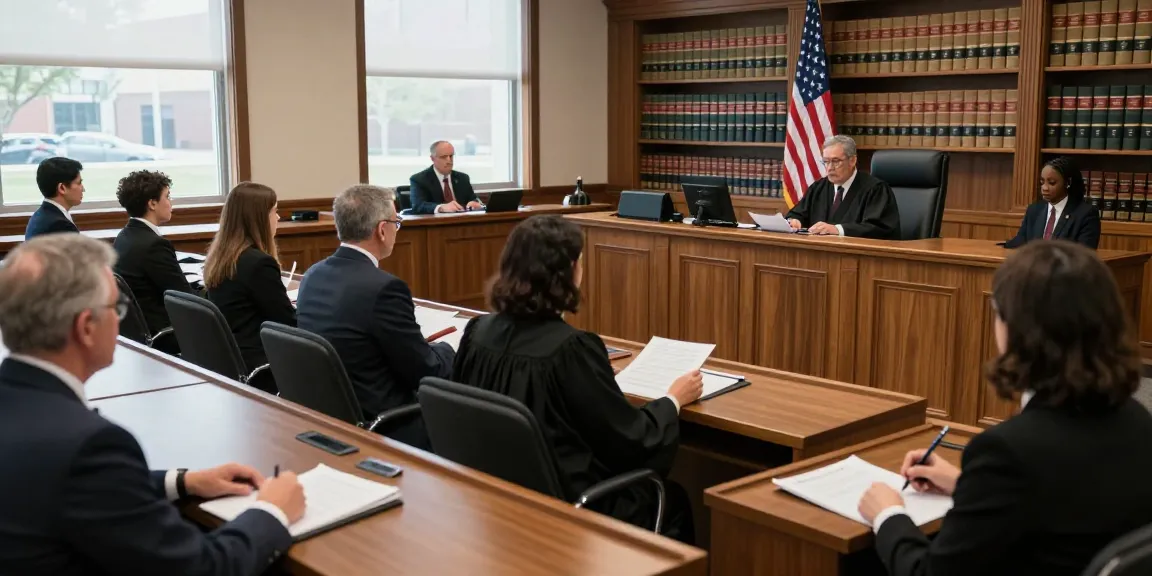
Understanding the Role of the Judiciary in The Bahamas
The judiciary is a cornerstone of democracy and a pillar of justice in any nation, including The Bahamas. As an independent body, it interprets and applies the law, ensuring that justice is served fairly and impartially. In this Caribbean nation, the judiciary not only maintains law and order but also safeguards the rights of its citizens. As we delve into the intricacies of the Bahamian legal system, it’s crucial to explore its legal framework, the significance of judicial independence, and the evolving perceptions of public trust in the judiciary. For comprehensive insights into the Bahamas' judicial landscape, check out https://www.bahamasjudiciary.com.
Overview of Legal Framework and Structure
The legal framework of The Bahamas is based on English common law, a legacy of its colonial past. This framework governs various areas, including criminal, civil, and family law. The judiciary is structured hierarchically, with the Supreme Court at the apex, followed by the Court of Appeal. The Supreme Court consists of judges appointed by the Governor-General and is responsible for serious criminal cases, civil matters, and constitutional issues. The Court of Appeal serves as the highest court for appeals, ensuring that decisions made by the Supreme Court can be challenged and reviewed.
Furthermore, the Family Court addresses family disputes, while the Magistrates' Courts handle minor criminal offenses and civil cases. This structured approach facilitates a comprehensive legal system that caters to the diverse needs of Bahamian society. Understanding this hierarchy is fundamental for legal professionals operating in The Bahamas, as it frames the context within which they operate.
Importance of Judicial Independence
Judicial independence is essential for the rule of law and democratic governance. In The Bahamas, this independence ensures that judges can make decisions based solely on the law, free from external pressures, including political interference. This autonomy is vital in maintaining public trust in the judicial process. When citizens believe that their legal system operates fairly and that judges are not swayed by external influences, they are more likely to engage with and respect the courts.
Moreover, the independence of the judiciary is protected by law, with mechanisms in place that safeguard judges from arbitrary dismissal. Nonetheless, challenges remain, including political discourse that can inadvertently undermine public perceptions of the judiciary. Maintaining a clear boundary between political discourse and judicial workings is crucial in fostering an atmosphere where justice prevails.
The Impact of Public Perception on the Judiciary
Public perception plays a critical role in the efficacy and credibility of the judiciary. In The Bahamas, various factors influence this perception, including media coverage, landmark rulings, and high-profile cases. When the public perceives the judiciary as corrupt or biased, it diminishes trust and can lead to a reluctance to engage with the legal system. It’s essential for the judiciary to actively work on transparency and public relations to build and maintain trust with citizens.
Judicial outreach programs and community engagement initiatives can help demystify the legal process, making it more accessible and understandable. By fostering better communication and providing education on judicial processes, the courts can enhance public confidence in their integrity and efficiency.
Current Trends Affecting Bahamas Courtroom Practices
The courtroom practices in The Bahamas are evolving in response to changing societal needs, technological advancements, and global influences. Several key trends are shaping how legal proceedings are conducted and the overall accessibility of justice in the country. Understanding these trends is vital for legal professionals who must adapt to a rapidly changing environment.
Adoption of Technology in Court Proceedings
The integration of technology into courtroom practices has transformed how the Bahamian judiciary operates. With the onset of the COVID-19 pandemic, courts were compelled to adopt virtual services to ensure the continuity of legal proceedings. This shift has led to the implementation of remote hearings, electronic filing systems, and digital evidence presentation, significantly enhancing efficiency.
Modern technology not only allows for quicker case resolutions but also increases access for citizens in remote areas who may not be able to attend in-person court sessions. As these technologies continue to evolve, it is essential for legal professionals to embrace them to provide effective representation and ensure that they are not left behind in this digital age.
Shifts in Legal Representation and Client Engagement
In recent years, there has been a noticeable shift in how legal representation is approached in The Bahamas. Clients increasingly expect greater transparency and communication from their attorneys. Legal professionals must adapt to this demand by employing client-centric strategies that prioritize engagement and responsiveness.
This shift is reflected in the use of digital platforms for client communication, the availability of online legal services, and the emphasis on proactive case management. By investing time in building solid relationships with clients and utilizing modern communication tools, legal professionals can enhance client satisfaction and trust.
Emerging Legal Trends Post-COVID-19
The pandemic has prompted several legal trends that are reshaping the landscape of the judiciary in The Bahamas. Issues such as public health law, labor rights, and employment law have gained prominence. Legal professionals must stay informed about these emerging areas to effectively serve their clients and adapt to new legal standards.
Additionally, the focus on mental health and wellness has started to influence courtroom practices, with an increasing awareness of the emotional toll legal proceedings can take on individuals. Legal professionals are encouraged to consider holistic approaches to representation that prioritize the well-being of their clients, blending legal expertise with compassionate care.
Challenges Facing the Bahamas Judiciary
Despite the significant progress made, the judiciary in The Bahamas faces several challenges that need to be addressed to enhance its effectiveness and uphold the rule of law. These challenges include case backlogs, equitable access to justice, and political influences on judicial outcomes.
Backlogs in Court Cases and Solutions
One of the most pressing issues facing the Bahamian judiciary is the backlog of court cases. This reality not only undermines the swift administration of justice but also contributes to frustrations among litigants. The COVID-19 pandemic exacerbated this issue, causing significant delays in hearings and trials.
To combat these backlogs, the judiciary is exploring various solutions, such as prioritizing certain types of cases, enhancing mediation and arbitration services, and increasing the number of judges and court staff. These efforts aim to streamline the legal process and ensure that all individuals receive timely access to justice.
Addressing Access to Justice for All Citizens
Access to justice is a fundamental right; however, many citizens in The Bahamas encounter barriers that hinder their ability to navigate the legal system. Factors such as geographical isolation, high legal costs, and a lack of legal knowledge can prevent individuals from seeking legal recourse.
To enhance access to justice, initiatives that provide free legal aid, promote public legal education, and leverage technology for remote access to legal resources are vital. By addressing these barriers, the judiciary can ensure that justice is accessible to all individuals, thereby reinforcing the principles of equality and fairness.
Impacts of Political Influence on Judicial Decisions
Political influence can pose a significant threat to the integrity of the judiciary. While the Bahamian judiciary is designed to be independent, political discourse can sometimes seep into judicial matters, leading to public skepticism about the impartiality of judicial decisions.
Efforts to fortify judicial independence are essential in combating this challenge. Establishing clear boundaries between political entities and the judiciary, along with promoting transparency in judicial appointments and decisions, can help safeguard the judiciary’s integrity and bolster public confidence.
Best Practices for Legal Professionals in The Bahamas
As the legal landscape evolves, Bahamian legal professionals must adopt best practices to enhance their effectiveness and maintain the trust of their clients. Continuous adaptation and learning are key to success in the dynamic field of law.
Effective Case Management and Preparation
Thorough case management is crucial for achieving favorable outcomes. Legal professionals must develop structured processes for case preparation, including maintaining updated records, organizing evidence, and adhering to deadlines. Utilizing technology for case management can streamline these processes and enhance overall efficiency.
Additionally, a proactive approach in anticipating potential challenges and preparing accordingly can significantly impact the trajectory of a case. This strategic mindset fosters greater confidence in clients, knowing their matters are being handled with diligence.
Building Strong Relationships with Clients
Building and nurturing relationships with clients is essential in the legal profession. Effective communication, empathy, and trust are the cornerstones of a solid client-attorney relationship. Legal professionals should prioritize regular updates, active listening, and transparency about case developments and potential outcomes.
Engaging clients in their legal journey creates a collaborative atmosphere, empowering them to make informed decisions and feel valued throughout the process. This interaction enhances client satisfaction, leading to positive referrals and reputation in the community.
Continual Professional Development Opportunities
The legal profession is ever-evolving, making continual professional development imperative for legal practitioners in The Bahamas. Engaging in ongoing education through workshops, seminars, and online courses allows attorneys to stay abreast of changes in legislation, emerging legal trends, and best practices.
Networking with peers and mentors also plays a critical role in professional growth. Sharing insights and experiences fosters a collaborative environment where legal professionals can learn from one another and enhance their practice.
The Future of The Bahamas Judiciary: Predictions for 2026 and Beyond
Looking ahead, the Bahamas judiciary stands on the brink of significant transformation. As societal needs change, it is essential to anticipate potential shifts in judicial practices, the integration of international law, and the influence of technology on local judgments.
Potential Reforms in Judicial Practices
By 2026, it is anticipated that the Bahamian judiciary may undergo several reforms aimed at enhancing efficiency and accessibility. These may include revising procedural rules, streamlining case management practices, and leveraging new technologies to reduce delays in hearings and trials.
Additionally, engaging in consultative processes that involve key stakeholders from the legal community can lead to reforms that better meet the needs of citizens and improve the overall functioning of the judiciary.
Role of International Law in Local Judgments
As globalization continues to shape the legal landscape, the role of international law is expected to increase in local judgments. Bahamian courts may increasingly reference international treaties and conventions in their rulings, expanding the scope of legal precedent and enhancing the country's alignment with global standards.
This shift may also lead to greater collaboration with international legal bodies, fostering a legal environment that is well-informed and equipped to address complex cross-border issues.
Emerging Trends in Legal Technology
The future of the judiciary will likely be heavily influenced by advancements in legal technology. Innovations such as artificial intelligence, blockchain, and advanced data analytics can revolutionize case management, legal research, and evidence presentation.
As these technologies become more ingrained in courtroom practices, legal professionals must adapt to leverage these tools effectively. Embracing technology will enhance operational efficiency, improve client service, and ensure that the Bahamian judiciary remains relevant in the face of ever-changing complexities in law.
What are the primary functions of the Bahamas Judiciary?
The primary functions of the Bahamas Judiciary include interpreting and applying the law, adjudicating disputes, safeguarding individual rights, and maintaining the rule of law. The judiciary plays a crucial role in ensuring justice is served fairly and impartially.
How is technology changing courtroom practices?
Technology is reshaping courtroom practices through the adoption of virtual hearings, electronic filing systems, and digital evidence presentation, allowing for increased efficiency and accessibility in legal proceedings.
What challenges does the Bahamas Judiciary currently face?
The Bahamas Judiciary faces challenges such as case backlogs, ensuring equitable access to justice, and addressing potential political influences on judicial decisions, which can undermine public trust.
How can legal professionals enhance their practices?
Legal professionals can enhance their practices by adopting effective case management techniques, building strong client relationships, and engaging in continual professional development to stay informed of legal trends and changes.
What trends do we expect to see in 2026?
By 2026, trends expected to impact the judiciary include potential reforms in judicial practices, an increased role of international law in local judgments, and significant advancements in legal technology that will transform courtroom operations.