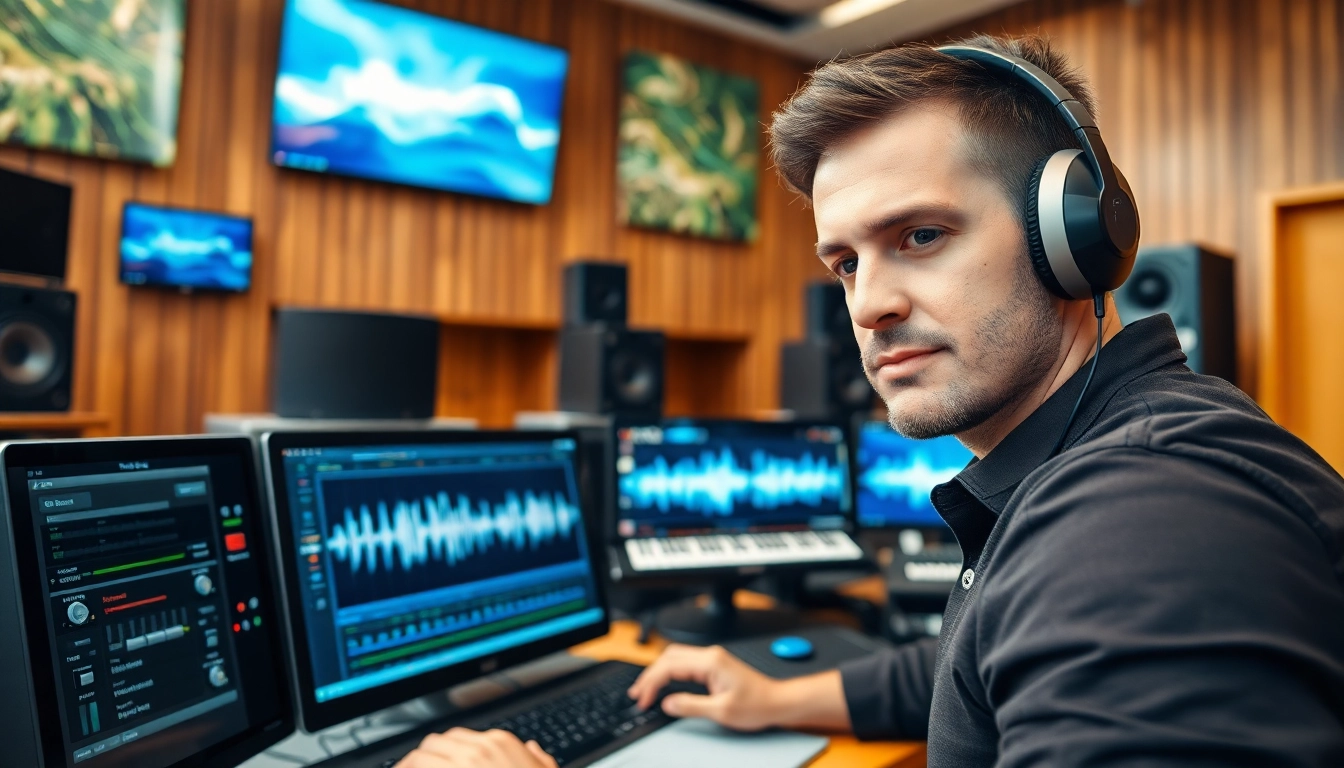
Understanding Online Audio Mastering
Definition and Importance of Online Audio Mastering
Online audio mastering is a crucial phase in the music production process that ensures your tracks sound polished and professional across all playback systems. Unlike mixing, where individual elements are balanced, mastering focuses on preparing the final stereo mix for distribution, enhancing overall sound quality, and guaranteeing consistency in loudness and frequency response. The significance of this process lies in its ability to elevate a recording from a good piece of music to a commercially viable product that captures listeners' attention. For those seeking to enhance their sound quality without visiting a studio, engaging with online audio mastering services can be a game changer.
Key Differences Between Mixing and Mastering
While mixing and mastering are often confused due to their interrelated nature, they serve distinct purposes. Mixing involves adjusting levels, panning, EQ, and effects to create a cohesive track that blends all audio elements harmoniously. Mastering, on the other hand, is the final touch meant to optimize the track for all playback systems while ensuring it meets commercial standards. Understanding these differences can aid musicians in delivering their best work, ensuring they know when to engage with professionals in each area of audio production.
The Evolution of Online Audio Mastering Services
The advent of digital technology has transformed audio mastering from a niche, studio-based service into a widely accessible online offering. In the past, artists had to rely on physical studios equipped with specialized tools and experienced audio engineers. Today, numerous platforms provide online audio mastering services with advanced algorithms and tools that replicate professional techniques. This evolution has democratized the industry, allowing independent musicians and producers to access high-quality mastering services from the comfort of their homes, regardless of their geographic location.
What to Look for in Online Audio Mastering Services
Features of Reliable Online Audio Mastering Platforms
When selecting an online audio mastering service, several key features indicate reliability. First, look for platforms that offer a user-friendly interface, allowing you to upload and manage your tracks easily. Secondly, comprehensive previews or samples of previous work can provide insights into the quality of service offered. Additionally, options for professional feedback on your track are invaluable, as they can guide necessary adjustments before finalizing the master. Finally, the ability to choose between automated mastering and the option of human mastering assistance ensures you have flexibility based on your specific needs.
Comparing Pricing Models for Online Audio Mastering
Pricing for online audio mastering varies widely depending on several factors, including the complexity of the work and the reputation of the service provider. It's essential to compare different pricing models that may include pay-per-track, subscription plans, or tiered packages based on the quality and depth of service. While a lower price might be enticing, it is crucial to weigh the costs against the potential quality of the final output. Understanding these pricing dynamics allows for making informed decisions that balance budget and quality effectively.
Common Mistakes to Avoid When Choosing Services
One common error is underestimating the importance of previews or sample works. Ensure you investigate the quality of previous masters before committing. Another mistake is failing to read user reviews and testimonials, which can provide a snapshot of what to expect from the service. Not verifying if the platform supports your specific audio formats may also impact the quality of your mastering process. Finally, be wary of overly cheap services that may compromise quality; as often, you get what you pay for in audio production.
Best Practices for Preparing Your Tracks
Essential File Formats for Online Audio Mastering
To ensure optimal results during online audio mastering, it's vital to select the right file formats for submission. Typically, high-resolution files (WAV or AIFF) at 24-bit or higher sampling rates are preferred, as they provide the mastering engineer with more detailed sound information. Additionally, supplying your files without any compression or effects applied will allow for the cleanest mastering possible, ensuring your track retains its intended sound character.
Tips for Providing Reference Tracks
Reference tracks can provide essential context for what you aim to achieve with your mastering. Select tracks that match your genre and desired sound quality to use as benchmarks throughout the mastering process. When submitting reference tracks, it's helpful to clarify what specific qualities you admire, whether it's the punchiness of the bass, the clarity of vocals, or the overall loudness. Effective communication will guide the mastering engineer in achieving your sonic vision more accurately.
How to Ensure Your Mix Is Ready for Mastering
Before sending your mix for mastering, you need to make sure it's polished and ready to go. Start by checking the stereo balance and ensuring no individual elements overpower others. Check for unwanted noise and ensure that any fade-outs are smooth. Additionally, leaving headroom (a peak level of around -3dB) in your mix is crucial to prevent clipping during mastering. In essence, a well-prepared mix lays the groundwork for an effective and impressive master.
Analyzing the Online Audio Mastering Process
Step-by-Step Breakdown of Online Audio Mastering
The online audio mastering process can seem complex, but breaking it down simplifies the understanding of how it works. Initially, you upload your mix to the mastering platform, where it undergoes automatic analysis. Following the analysis, the mastering engineer will apply various equalization, compression, and limiting techniques tailored to your track. After processing, you’ll typically receive a preview to review before finalizing the master, allowing for feedback and adjustments as needed.
Understanding the Role of Compression and EQ
Compression and equalization (EQ) play crucial roles in online audio mastering. Compression serves to control the dynamics within the track, ensuring that no elements stand out too starkly and that it maintains a consistent loudness throughout. EQ is used to enhance or attenuate specific frequency ranges, bringing clarity to instruments and vocals while ensuring the overall mix is balanced. Mastering engineers must delicately navigate these tools to enhance rather than hinder a track's inherent qualities.
Creative Effects to Enhance Your Master
While mastering is primarily about refinement and balancing, creative effects can be used to add a unique touch to your track. Effects such as stereo widening can give your track a more expansive sound, while harmonic exciters can add warmth and presence. It's important, however, to apply these effects judiciously, as over-processing can lead to a loss of clarity or introduce unwanted artifacts. The goal should always be to enhance the overall sonic landscape while remaining true to the track's intended emotion and feel.
Improving Your Music with Online Audio Mastering
Case Studies: Before and After Online Audio Mastering
Analyzing case studies of tracks before and after online audio mastering reveals the dramatic transformations available. For instance, consider an indie rock band whose raw mix was vibrant but lacked the punch and presence needed for commercial release. After online audio mastering, the track gained clarity, the instruments were balanced effectively, and the overall volume met industry standards. Such enhancements illustrate how mastering can not only polish a track but also position it for wider reception and appreciation.
Exploring Artist Feedback on Online Audio Mastering
Feedback from artists using online audio mastering services highlights the platform's effectiveness. Many report increased clarity in their music and a polished final product without losing their artistic identity. Artists often note the convenience and affordability of online services compared to traditional studio mastering. This feedback underlines the growing trust in these services as substantial contributors to the music creation process.
Future Trends Influencing Online Audio Mastering
The future of online audio mastering is being shaped by emerging technologies and changing artist needs. Artificial intelligence is beginning to play a role, with algorithms capable of offering automated mastering services at impressive speeds. However, the human touch still holds value, as emotional connection remains a cornerstone of musical expression. Additionally, as home recording technology continues to advance, the demand for online mastering will likely rise, propelling further innovations in the quality and accessibility of services offered.
Frequently Asked Questions About Online Audio Mastering
What is online audio mastering?
Online audio mastering is the process of preparing and transferring recorded audio from a source to a data storage device, ensuring it sounds polished and consistent for distribution.
How long does the online audio mastering process take?
Typically, online audio mastering can take anywhere from a few hours to a couple of days depending on the service and the complexity of the project.
Can I manually adjust settings during online mastering?
Many online audio mastering platforms allow users to choose from different presets or upload reference tracks, though manual adjustment options may vary by service.
Is online audio mastering suitable for all music genres?
Yes, online audio mastering is suitable for all genres, as services are tailored to handle the unique requirements of different types of music effectively.
Do I need to mix my track before mastering?
Yes, having a well-mixed track is essential for the best results in mastering. This ensures the final product maintains clarity and balance across various playback systems.