
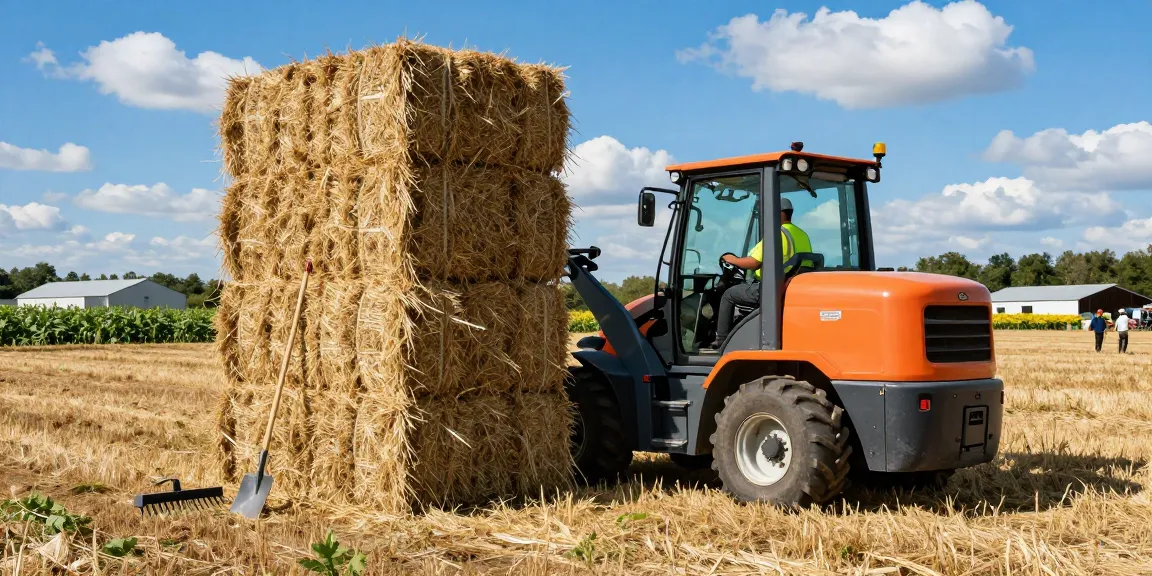
Understanding the Benefits of Farm Electric Loaders
The modern agricultural landscape is rapidly evolving, with technology shaping how farmers operate. Among these innovations, farm electric loaders stand out as efficient, environmentally friendly, and cost-effective solutions. These electric loaders offer a myriad of benefits over their traditional diesel counterparts, making them an increasingly popular choice for farms of all sizes. By understanding how these electric machines can improve farm operations, you can make informed decisions that boost productivity and sustainability.
When exploring options, farm electric loader provides comprehensive insights into the various models and features available today. This investment not only enhances your operational efficiency but also contributes positively to the environment.
Why Choose Electric Over Diesel Loaders?
Electric loaders have several advantages compared to their diesel-powered equivalent. One key benefit is operational cost reduction. Electric motors generally have lower maintenance costs, partly due to fewer moving parts. Additionally, electric loaders typically consume less energy, significantly reducing fuel expenses.
Moreover, electric loaders offer better performance consistency. They provide instant torque, enabling smoother acceleration and deceleration, especially in tight farm environments. This can translate to improved handling during delicate tasks, such as transporting fragile crops.
Environmental Impacts and Sustainability Benefits
The push for sustainability in agriculture is more critical than ever. Electric loaders produce zero emissions during operation, which helps reduce your carbon footprint and contribute to cleaner air, especially in confined farm settings. This aligns well with the growing consumer demand for environmentally friendly farming practices.
Moreover, many electric loaders are equipped with features that promote energy efficiency, such as regenerative braking systems, which can help recharge the battery during operation. This not only maximizes productivity but also promotes responsible energy use.
Cost Efficiency: Long-Term Savings Analysis
Investing in electric loaders can yield long-term savings that should not be overlooked. Initial purchase prices might sometimes be higher for electric models, but governmental incentives and lower operational costs often make them more economical over their lifespan. For instance, savings on fuel and maintenance can add up quickly, potentially compensating for the higher upfront investment in just a few years.
Additionally, with advancements in battery technology, many electric loaders now come with longer battery life and reduced charging times, further enhancing their cost-effectiveness.
Key Features to Look for in a Farm Electric Loader
When selecting an electric loader for farm applications, it’s essential to consider several critical features that can significantly affect performance and suitability. A detailed understanding of these features will ensure you choose a loader that meets your specific needs.
Battery Specifications and Performance Metrics
The battery is the heart of any electric loader. Look for models that offer high-capacity lithium-ion batteries known for their longevity and efficiency. Metrics such as amp-hour (Ah) ratings will give you insights into how long the loader can operate before needing a recharge. It’s essential to evaluate the loader’s charging time as well since quicker charging can reduce downtime during busy work periods.
Lift Capacity and Versatility in Farm Applications
Different farming tasks require varying lift capacities. Ensure the loader you choose has the necessary lift capacity to handle your specific needs — whether it’s moving heavy materials, lifting pallets, or assisting in barn operations. Versatility is also critical; look for loaders that can easily switch attachments for different tasks, enhancing their utility across various farming operations.
Safety Features and Regulatory Compliance Standards
Safety should always be a priority when choosing any equipment. Ensure that the electric loader complies with local and national safety standards. Features such as automatic braking systems, operator presence sensors, and stability control can enhance safety during operation, reducing the risk of accidents and injuries on your farm.
Top Brands and Models of Farm Electric Loaders in 2026
With the growing popularity of electric loaders, several manufacturers have stepped up to offer innovative solutions tailored for the agricultural sector. Understanding the top brands and their offerings can help you make an informed choice.
Leading Manufacturers: A Comparison
Some of the top manufacturers in the electric loader market include Caterpillar, Bobcat, and JLG. Each brand brings unique strengths. For example, Caterpillar is known for its robust construction and durability, while Bobcat offers highly versatile models that excel in compact spaces. Compare these brands based on your specific operational requirements and budget to find the best fit.
Best Models for Specific Farming Needs
Consider models like the JLG T350 for versatility in small to medium-sized farms, which can handle a variety of attachments. For larger operations needing more power, the Caterpillar TL430D offers high lifting capacity and advanced features designed for heavy-duty tasks.
Customer Testimonials and Product Reviews
When researching electric loaders, check customer reviews and testimonials to gauge satisfaction and performance. Many users praise the reduced noise levels and lower operational costs associated with electric models, indicating a shift towards preference for electric options.
How to Integrate Electric Loaders into Your Farming Operations
Transitioning to electric loaders requires careful planning and integration into your existing operations. By following some best practices, you can ensure a smooth transition that maximizes your investment.
Training Staff on New Electric Equipment
Proper training is critical when introducing new equipment to your operations. Ensure that all staff members are well-trained in using electric loaders, focusing on safety protocols and operational efficiency. Providing hands-on training can lead to quicker adoption and better overall performance.
Maintenance Tips for Longevity and Efficiency
Regular maintenance is vital for the longevity of any machinery. For electric loaders, this includes periodic battery checks, regular cleaning, and inspections of electrical components. Establish a maintenance schedule that aligns with the manufacturer’s guidelines to keep your loader in optimal condition.
Evaluating Performance: Key Performance Indicators
To ensure your electric loaders are performing effectively, establish key performance indicators (KPIs) that align with your operational goals. Metrics such as lift capacity utilization, battery efficiency, and operational downtime can help you assess performance and make necessary adjustments to enhance productivity.
Future Trends in Electric Loaders for Farming
The future of electric loaders in agriculture looks promising, with several trends shaping their development and usage. Understanding these trends will help you stay ahead in your farming operations.
Technological Innovations on the Horizon
Technological advancements are driving the evolution of electric loaders. Innovations like autonomous operation features and smart sensors are being integrated into newer models, enhancing efficiency and safety. These technologies will likely become standard in future electric loaders, allowing for more streamlined and effective farming practices.
Impact of Electrification on Agriculture
The electrification of agricultural machinery not only contributes to operational efficiency but also supports sustainability goals. As more farmers adopt electric loaders, the cumulative impact can lead to significant reductions in greenhouse gas emissions across the industry.
Predictions for Market Growth and Opportunities
The market for electric loaders is expected to grow substantially in the coming years, fueled by increasing consumer demand for sustainable farming practices and advancements in battery technologies. This presents opportunities for farmers willing to invest in innovative equipment that not only meets their operational needs but also enhances their environmental impact.
What are the benefits of using electric loaders in agriculture?
Electric loaders provide numerous benefits, including cost savings on fuel and maintenance, zero emissions during operation, and improved operational efficiency, making them a smart choice for modern farmers.
How do farm electric loaders compare to traditional loaders?
Farm electric loaders tend to have lower operational costs and environmental impacts compared to traditional diesel loaders. They also offer smoother operation and require less maintenance.
What should I consider when purchasing an electric loader?
Consider key features such as battery capacity, lift capacity, safety features, and compatibility with various attachments. It’s also essential to assess the manufacturer’s reputation and customer support options.
Are there financing options for electric loaders?
Many manufacturers and dealerships offer financing plans and leasing options to make it easier for farmers to invest in electric loaders while managing cash flow.
What are the common maintenance issues with electric loaders?
Common maintenance issues include battery degradation, electrical system failures, and hydraulic system maintenance. Regular inspections and following the manufacturer’s maintenance recommendations can prevent many of these issues.